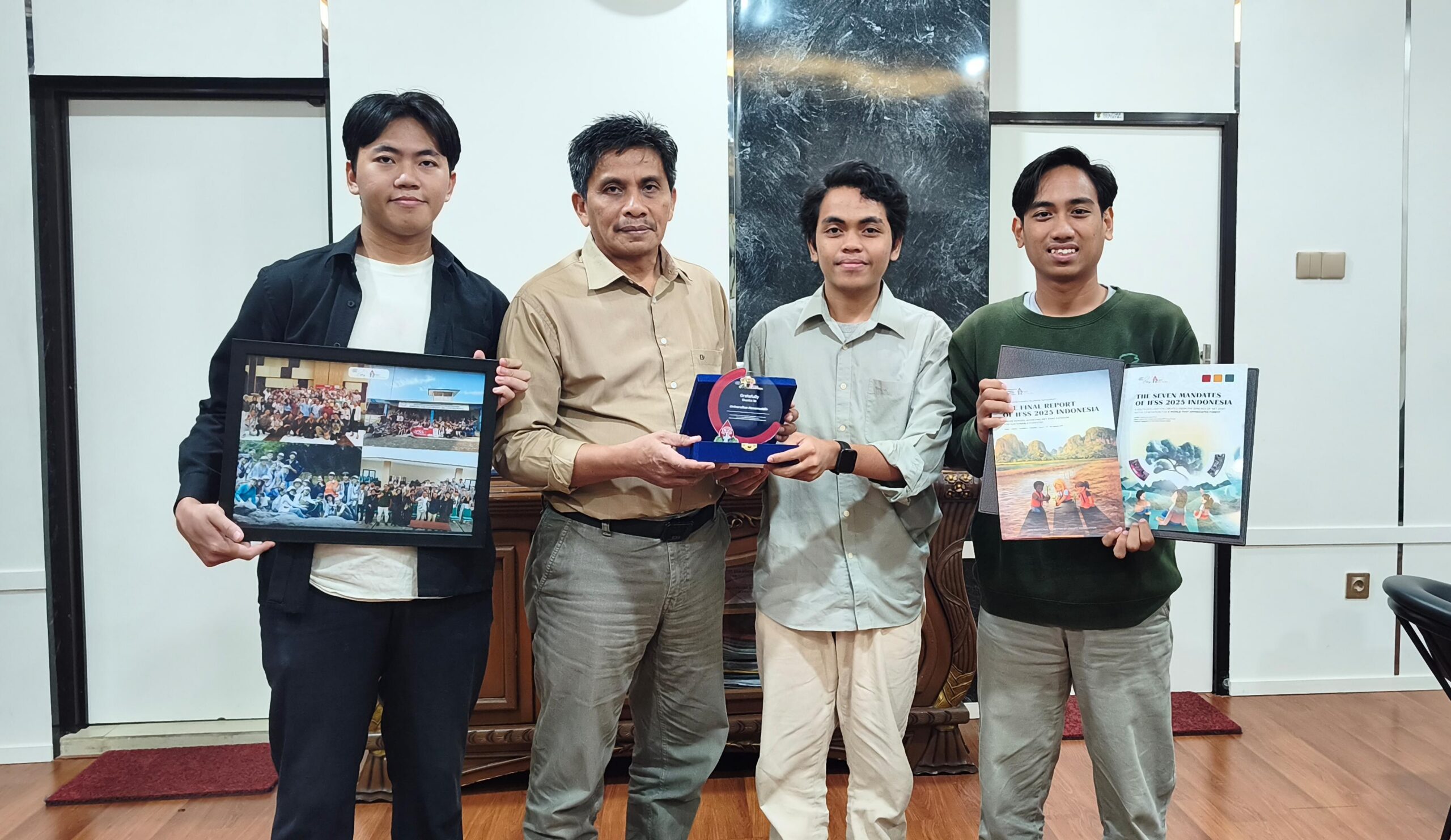
Author: Muhammad Dien Usman, Wening Ila Idzatilangi
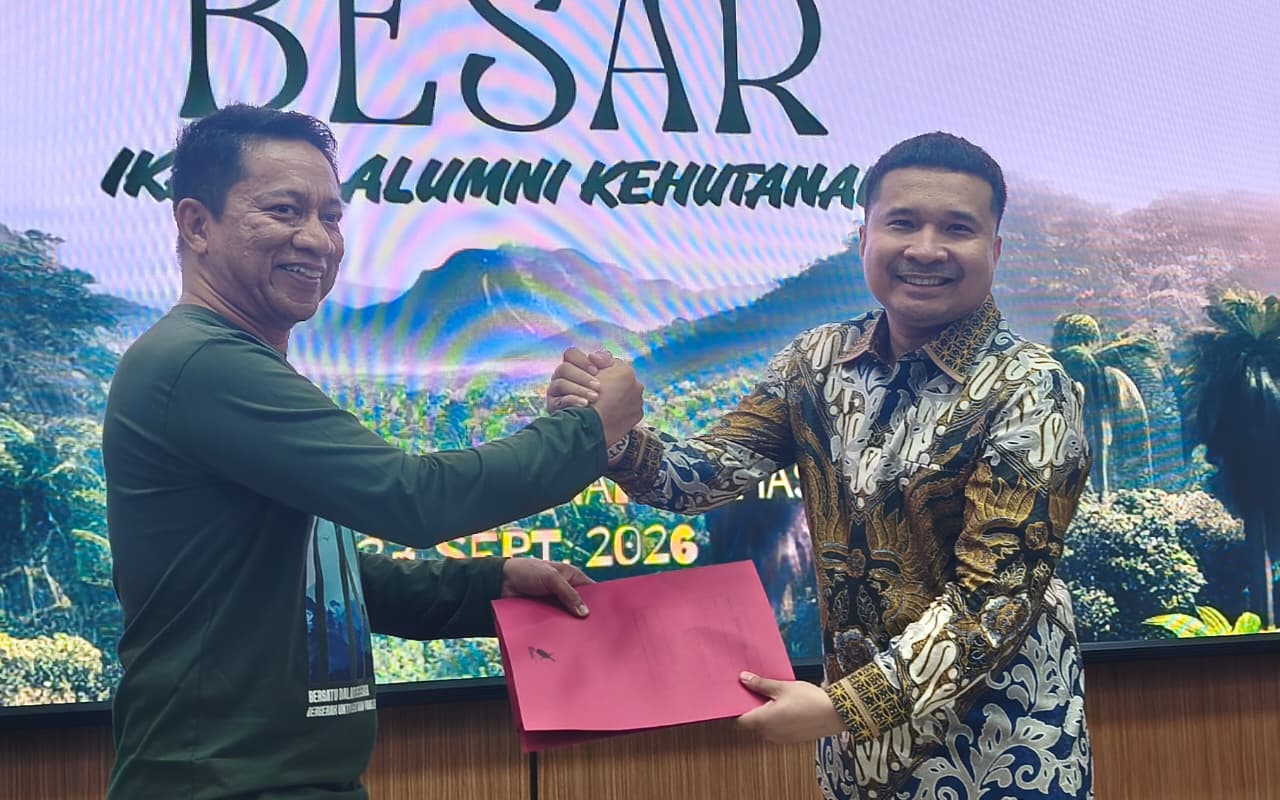
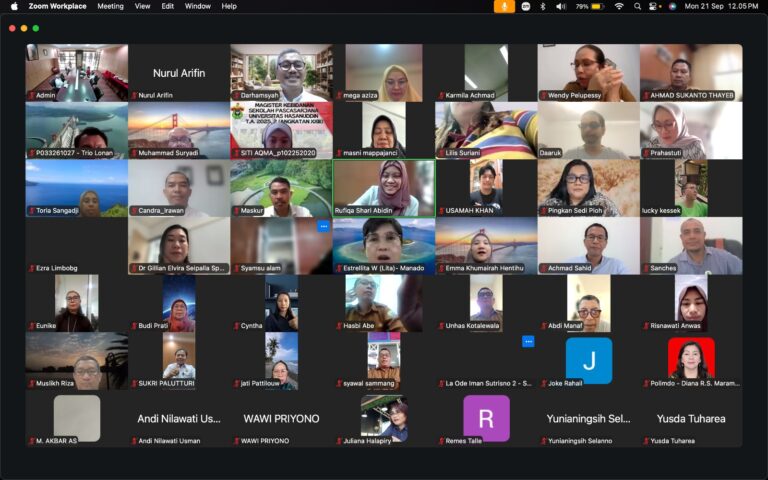
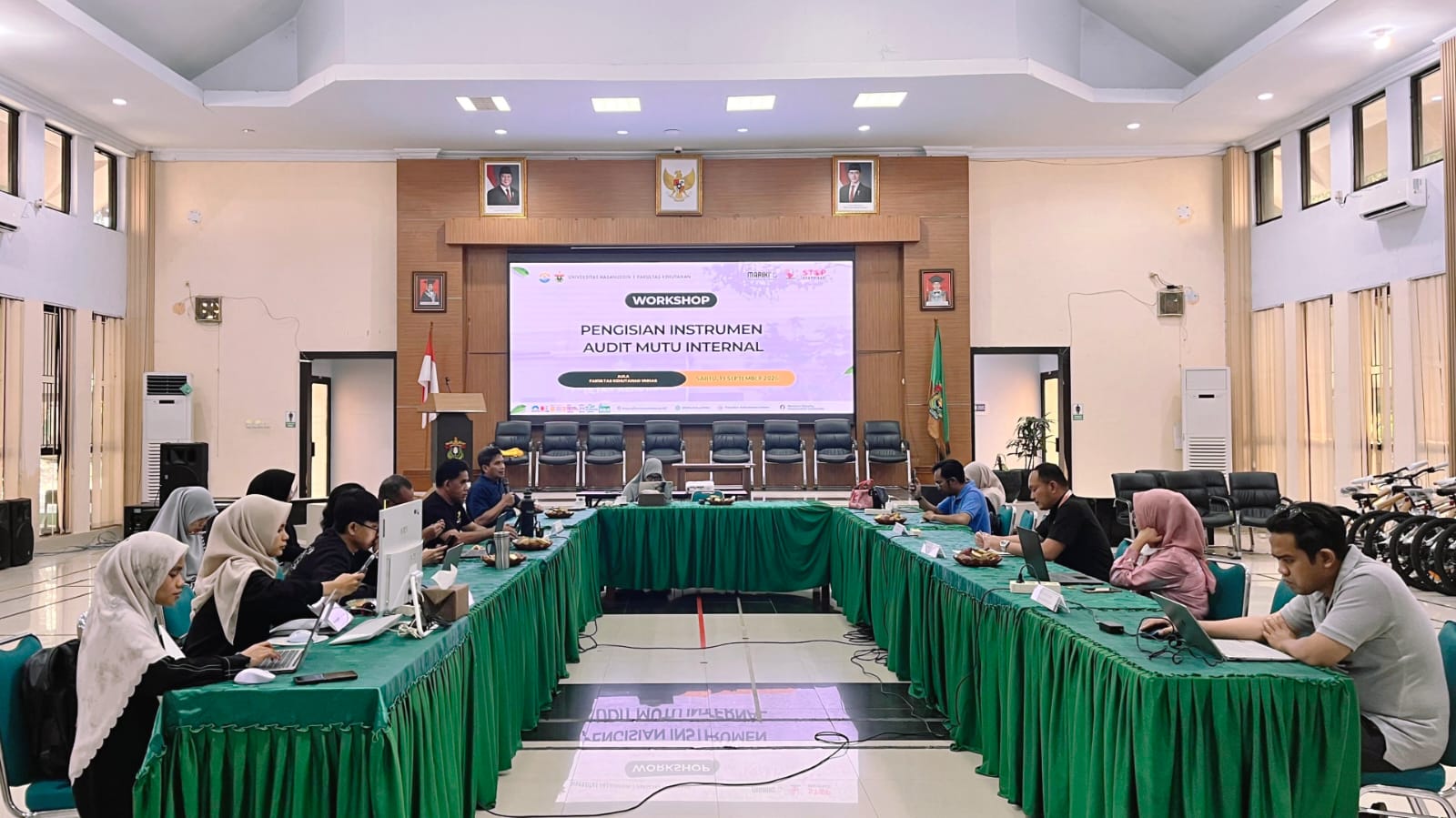
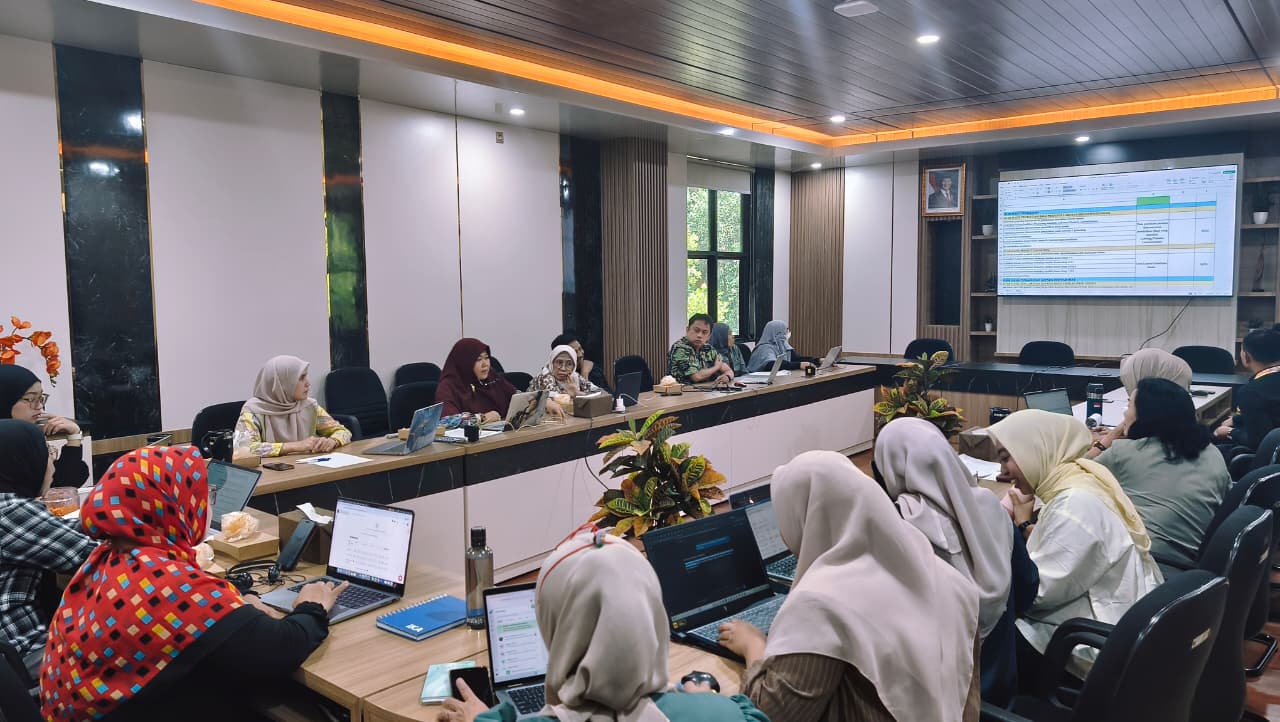
Makassar, June 18, 2026 – The Dean of the Faculty of Forestry at Hasanuddin University received several mementos, such as a plaque, printed reports, a youth statement, and a photograph, from the Organising Committee of the 2025 International Forestry Students’ Symposium 2025 Indonesia, represented by Muhammad Dien Usman, Djaelani Batara Wali, and Hafidz Assidiqie. This event marked an important milestone in the symposium’s success, made possible by significant support from various universities, NGOs, the government, and the private sector. The Faculty of Forestry at Hasanuddin University hosted the symposium, facilitating knowledge transfer, cultural exchange, and potential collaboration in South Sulawesi.
The IFSS 2025 Indonesia was held on 16–30 August 2025 in Bogor, Jakarta, Yogyakarta, Makassar, and Maros with the theme “Green Heroes: Achieving Net Zero Emission for Sustainable Forestry.” This event was organised by 4 Local Committees consisting of IFSA LC IPB, IFSA LC UGM, IFSA LC UNHAS, and IFSA LC ULM with a total of 30 committee members and volunteers. The journey brought together 76 delegates from 23 countries that have delved deeper into three main sub-themes divided into Social Forestry, Forestry Multi-business, and Technology for Forestry.
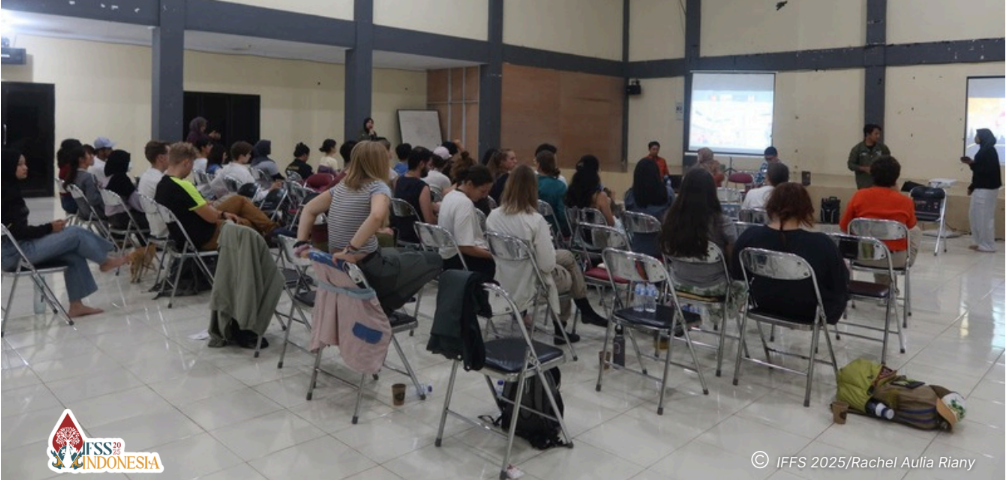
Picture 2. Exploring Educational Forest Through Knowledge
During the event held on August 25–30, 2025, Hasanuddin University facilitated knowledge transfer through lectures on Wallacea ecosystem, laboratory visits, observations of wildlife and microbial biodiversity in karst ecosystems at the Bantimurung Bulusaraung National Park, Rammang -Rammang excursion, mangroves planting in Maros, as well as a regional symposium on Multi-Stakeholder Dialogue on Blue Ecosystems, Wetland Afforestation, and a panel discussion titled “From Mines to Megawatts: Leading the Renewable Energy Transition.” Some of the key highlights during IFSS 2025 Indonesia in Makassar included the Wallacea Lecture, which featured exceptional speakers such as faculty members from the Faculty of Forestry at Hasanuddin University and forestry officials from the FAO. Additionally, the Multi-Stakeholder Dialogue on Marine Ecosystems and Wetland Afforestation featured the Director of Blue Forests, the Co -Founder of Blue Carbon Indonesia, the Director of Marine Spatial Planning at the Ministry of Marine Affairs and Fisheries, the Head of the Bialo Forest Management Unit, and a Conservation Lecturer from the Faculty of Forestry at Hasanuddin University to discuss the importance of blue ecosystems in Indonesia’s sustainable development agenda, including emphasizing their role in climate change mitigation, biodiversity conservation, and community livelihoods. Next, the “From Mine to Megawatt” discussion event featured the Central Management of the Jeneberang-Saddang Regional River Flow, the Senior Manager of Finance, Communications, and General Affairs at PLN’s Main Distribution Unit for South Sulawesi, Southeast Sulawesi, and West Sulawesi (UID Sulselrabar) at PT PLN, a lecturer from Ujung Pandang State Polytechnic, and the Head of the Environmental Department at PT Alam Tri Resources to raise public awareness about the roles of the government, industry, and academia in advancing renewable energy in Indonesia by highlighting real-world practices, innovations, and challenges in the implementation of clean energy.
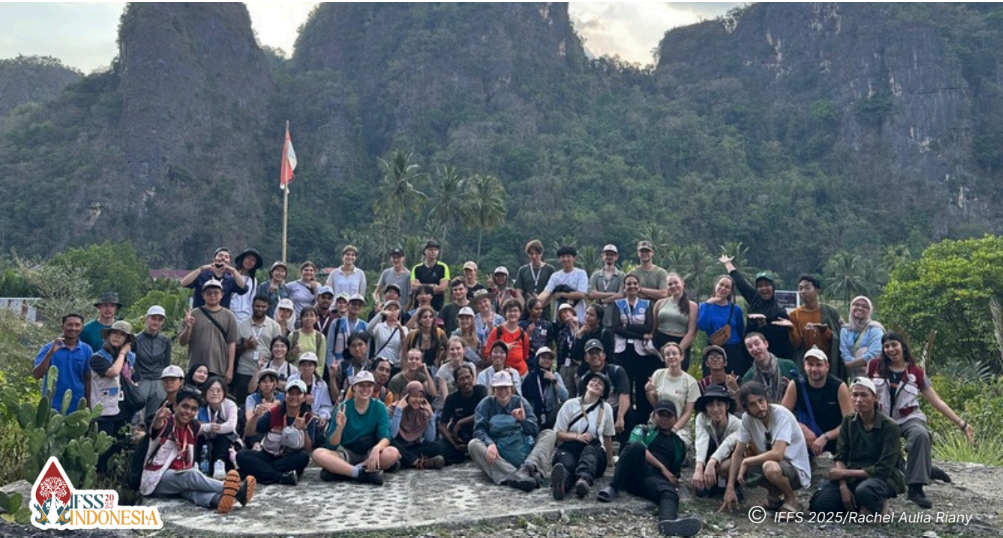
Picture 3. IFSS. 2025 Rammang-Rammang Excursion
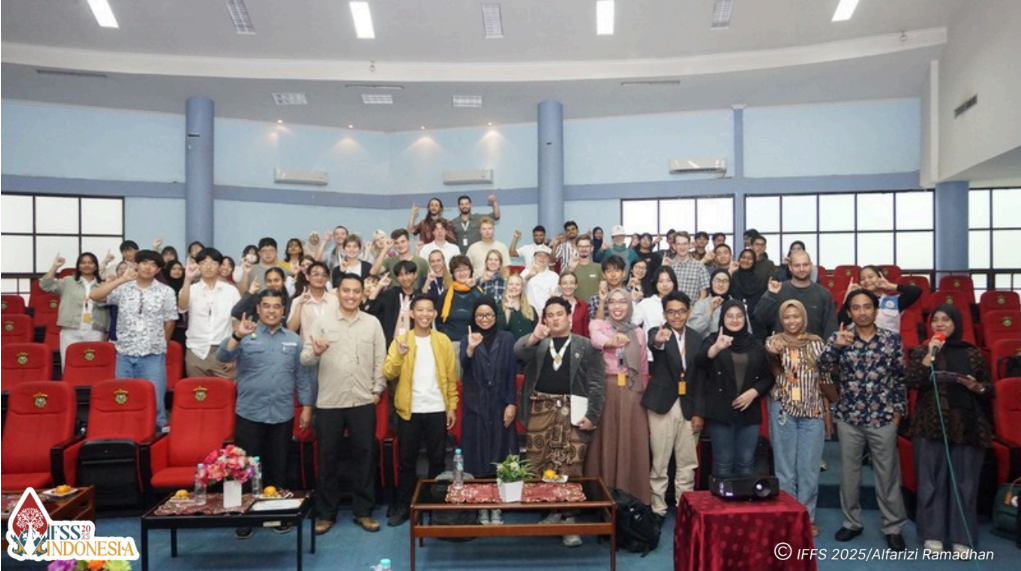
Picture 4. Blue ecosystem Multi-Stakeholder Dialogue
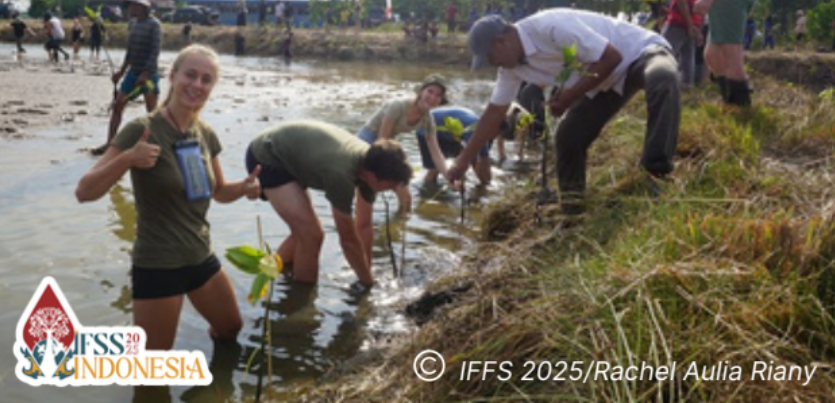
Picture 5. Wetland planting
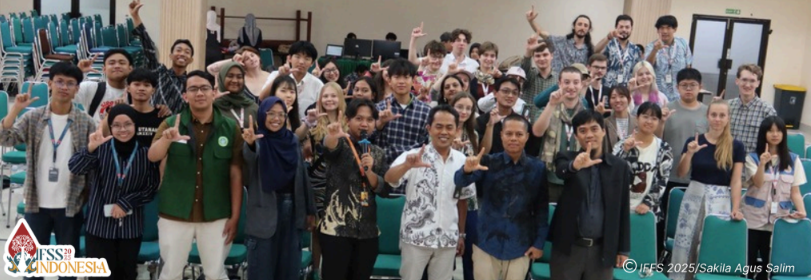
Picture 6. Talkshow From Mines to Megawatts
All of the activities lesson learned has been summarised through the report presented. Furthermore, some key learning has inspired two points in the seven mandate captured on [YOUTH STATEMENT IFSS 2025 INDONESIA].pdf which are Point 3: Open access science, technology, software, data sets, publications, and codes & Point 5: Transparency into policy translation and implementation support for actionable frameworks, such as infrastructure designed with domain-specific needs (e.g., forest genetics, carbon accounting).
While the IFSS 2025 Indonesia administration has been officially closed, its legacy continues through the establishment of IFSA Indonesia. This national IFSA network initiative aims to empower youth participation in environmental research, international exchange, ecological restoration, and policy advocacy. By connecting young forestry scholars with researchers, practitioners, and policy stakeholders, the collaboration creates a platform for knowledge exchange on forest governance, coastal ecosystem restoration, climate resilience, and sustainable development in Indonesia.