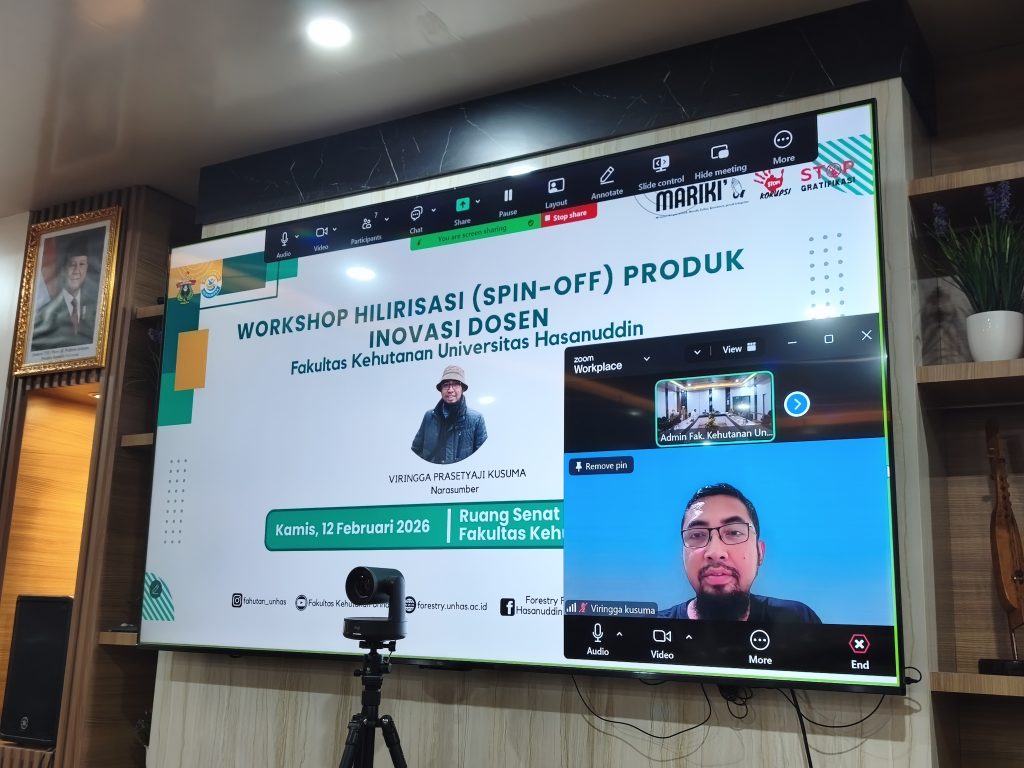
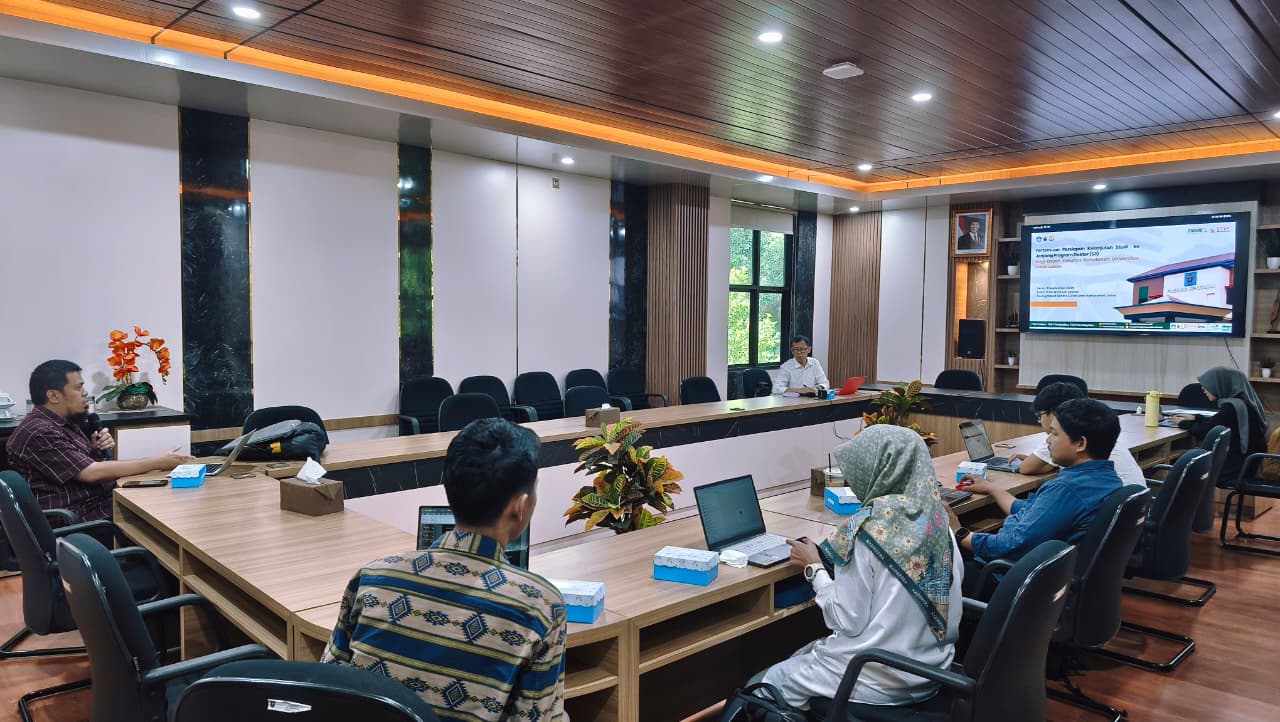
The Faculty of Forestry at Universitas Hasanuddin organized a Workshop on the Commercialization (Spin-off) of Lecturers’ Innovative Products on Thursday, 12 February 2026, from 1:30 PM WITA until completion. The event took place at the Senate Meeting Room, 2nd Floor, Faculty of Forestry. This initiative marked a strategic step to ensure that research outcomes do not stop at academic publications, but instead address societal needs and enter the industrial sector.
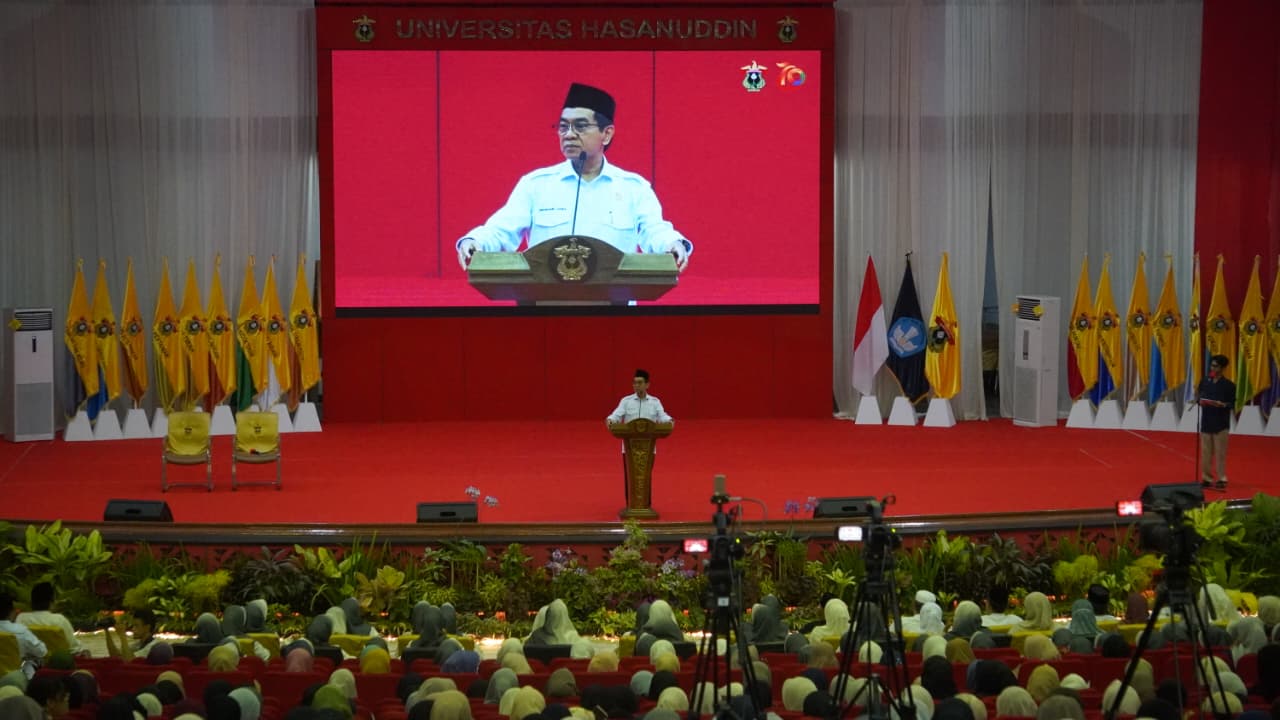
The workshop was officially opened by the Vice Dean III for Partnership, Research, Innovation, and Alumni, Prof. Syahidah, S.Hut., M.Si., Ph.D. In her remarks, she emphasized that commercialization presents both a challenge and an opportunity for higher education institutions. “Lecturers must not only excel in conducting research, but also understand the marketing strategies behind their innovative products. Commercialization requires time, commitment, and cross-sector collaboration,” she stated.
She further highlighted that amid the demanding responsibilities of the Tridharma of Higher Education, lecturers need to allocate time to understand the downstream sector. According to her, campus-generated innovations must ensure sustainability and added value in order to create tangible economic and social impact.
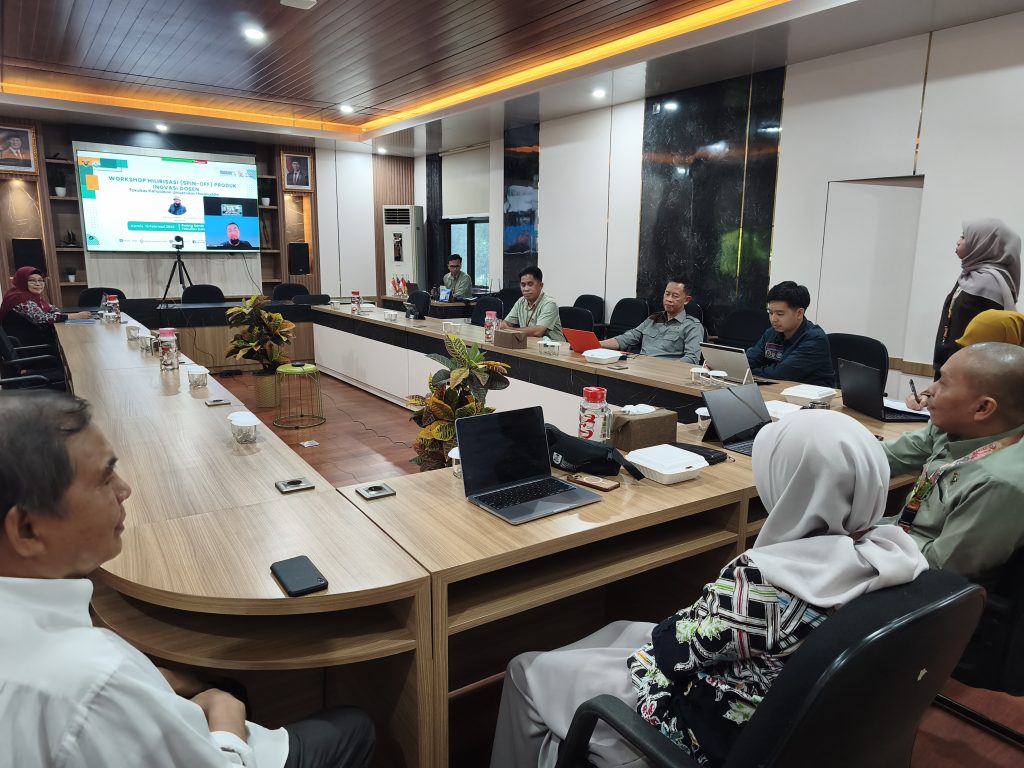
The session featured Viringga Prasetyaji Kusuma, Founder of Amati Indonesia, who elaborated on strategies to overcome the critical phase known as the valley of death—a stage where research outputs fail to transition from laboratory development to market application. One of the key solutions proposed was research incubation through campus incubators, which assist in managing legal aspects, connecting with industrial partners, and conducting market testing.
Furthermore, Viringga encouraged lecturers to begin “selling their research ideas” to students. In this collaborative framework, lecturers act as idea owners and conceptual leaders, while students serve as development agents responsible for implementing and refining the innovations. The developed ideas can then be incubated to enhance business readiness. The concept of establishing an internal student marketplace was also introduced as a platform for early distribution and product validation.
During the discussion session, it was emphasized that research must originate from real problems faced by society. Research proposals should be designed based on actual community needs, ensuring that the outcomes genuinely function as problem-solving solutions for consumers. However, considering lecturers’ limited time to engage directly in business activities, a collaborative approach becomes essential: lecturers as idea initiators, students as change agents, and campus incubators as development facilitators.
The workshop also addressed the importance of problem validation before launching a product. The process includes market segmentation (geographic, demographic, psychographic, and behavioral), identifying at least 30 respondents, preparing survey questions, analyzing results, and determining follow-up actions. A product can proceed (go) if at least two-thirds of respondents consider the issue a key problem. Once market interest is evident, the innovation may advance to the Minimum Viable Product (MVP) stage. The design thinking method was introduced as an effective approach applicable to various products, including recycling-based innovations. Through this systematic process, the Faculty of Forestry Unhas remains optimistic that lecturers’ research can move beyond campus boundaries, enter the market, and deliver meaningful impact to society.