Bone, February 9, 2026 — The Faculty of Forestry, Hasanuddin University (Unhas), conducted a field research visit to a traditional silk weaving community located in Opo Riattang Hamlet, Opo Village, Ajangale District, Bone Regency. The activity was carried out as part of the Faculty’s commitment to developing applied research based on non-timber forest products, with a particular focus on natural silk and community-based economic empowerment.
The visit was led by the Forestry Silk Research Team of the Faculty of Forestry Unhas, consisting of Dr. Ir. Sitti Nuraeni, MP., Dr. Ir. Andi Sadapotto, MP., and Andi Prastiyo, S.Hut., M.Hut., supported by Abd. Rahman, S.Hut., A. Ahmad Aisy Khairan Alalsah, S.Hut., and Dwia Puteri Annisa, S.Hut. The activity also involved key local stakeholders, including the Head of the Food Crops Division of the Bone Regency Office of Food Crops, Horticulture, and Plantations, Nuraqidah, S.TP., M.Si., as well as the Coordinator of the Ajangale Agricultural Extension Center, Hasanuddin, S.TP.
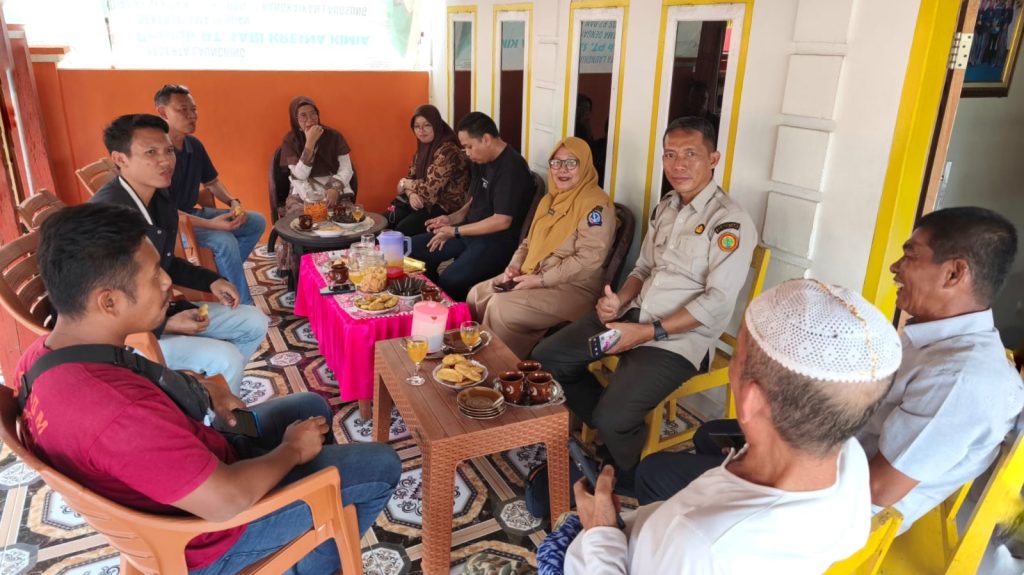
During the visit, the research team directly observed the silk weaving process and engaged in in-depth discussions with local weavers and collectors. The discussions explored issues related to raw material availability, traditional weaving techniques, production challenges, and efforts to maintain product quality and business sustainability. Opportunities to strengthen the silk value chain from upstream to downstream were also highlighted.
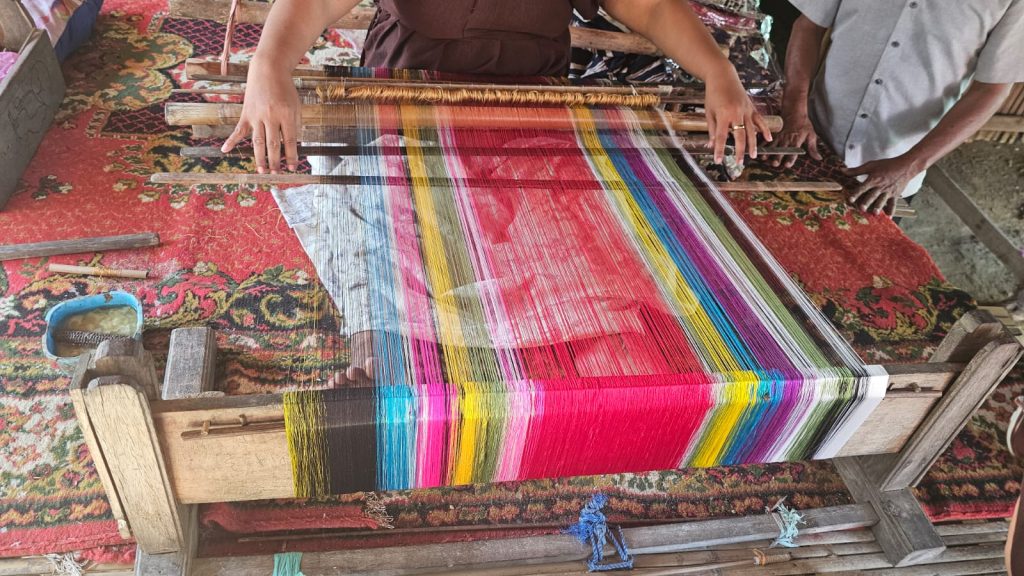
Dr. Sitti Nuraeni noted that Bone’s traditional silk sarong, produced using the gedogan weaving technique, already demonstrates high quality and strong potential for further development. She emphasized the importance of shortening the supply chain through the provision of locally produced silk yarn, improving product packaging to enhance market appeal, and developing distinctive motifs that reflect Bone’s local cultural identity.
Meanwhile, Dr. Andi Sadapotto stressed that the development of the silk industry requires continuous and integrated assistance. According to him, weavers need support not only in technical production aspects but also in business management and market access. Collaboration between the Faculty of Forestry Unhas, agricultural extension officers, and local government is essential to ensure sustainable growth of the silk industry.
From the government perspective, Nuraqidah stated that Bone Regency has consistently supported the promotion of local silk products. She explained that the regional government encourages the use of Bone silk sarongs and Songkok Recca during official events, including the anniversary of Bone Regency, and has also utilized silk products in various community activities. Hasanuddin added that Bone silk sarongs have strong potential to be developed as a regional flagship product and packaged as a distinctive local souvenir.
Representing the weaving community, Nurlia expressed her appreciation for the attention and assistance provided by the Faculty of Forestry Unhas. She hoped that the collaboration would help expand market access and improve the livelihoods of local weavers. This activity also reflects the Faculty of Forestry Unhas’ contribution to achieving the Sustainable Development Goals (SDGs), particularly in promoting decent work, economic growth, poverty reduction, and the sustainable use of forest-based resources.